

Sustainability Secrets Revealed: What Makes Custom Apparel Printing "Eco-Friendly" in Australia?
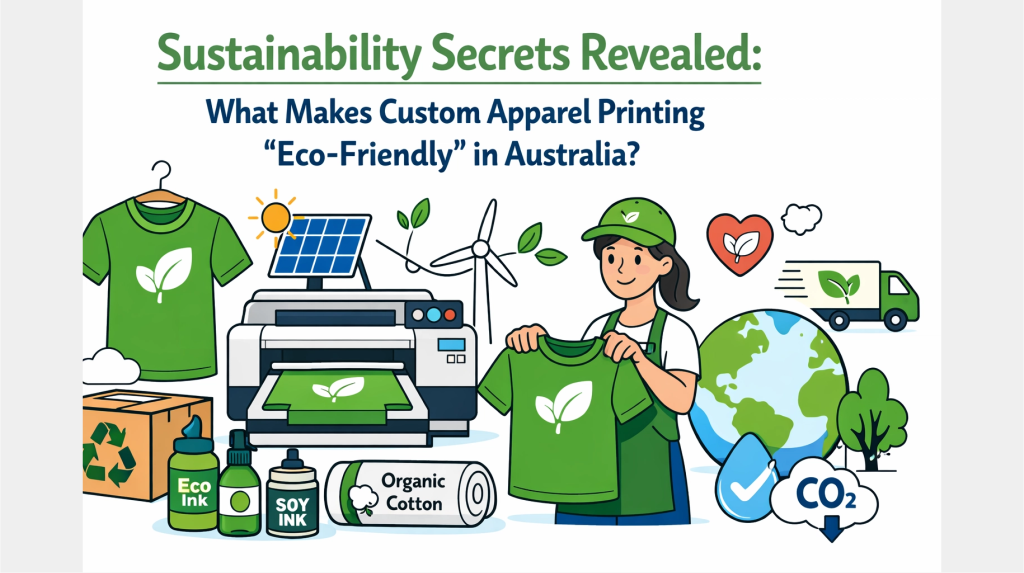
Let's be honest , every second company claims they're "eco-friendly" these days. Slap a green leaf on the logo, mention recycling once, and suddenly you're saving the planet. But when it comes to custom printed t shirts Australia businesses actually trust for their teams, what does sustainability really mean in 2026?
The truth is, eco-friendly custom apparel printing isn't just about what ink hits the fabric. It's about the entire lifecycle , from the cotton field to the construction site, from the factory floor to the footy club fundraiser. For businesses ordering workwear, uniforms, or promotional gear, understanding these sustainability secrets isn't just good for the planet , it's good for your bottom line and your brand reputation.
Here's what actually makes custom apparel printing sustainable in Australia today, and why it matters more than ever for your business.
It Starts With the Fabric (And Ends With Durability)
The foundation of any eco-friendly t shirt printing operation is the garment itself. Before a single drop of ink touches fabric, the sustainability story has already begun , or failed to start.
Organic cotton remains the gold standard for sustainable apparel. Unlike conventional cotton farming that relies heavily on pesticides and synthetic fertilizers, organic cotton is grown without harsh chemicals that degrade soil and contaminate water systems. For Australian businesses ordering custom workwear, this matters because the same fabric that's kinder to the environment is also kinder to your team's skin.
But here's where durability becomes the unsung hero of sustainability. A t-shirt made from quality materials that lasts three years instead of three months doesn't just save you money on replacement orders , it dramatically reduces the environmental footprint per wear. This is why reputable Australian printers partner with suppliers like AS Colour and JB's Wear, brands known for garment longevity and ethical manufacturing practices.
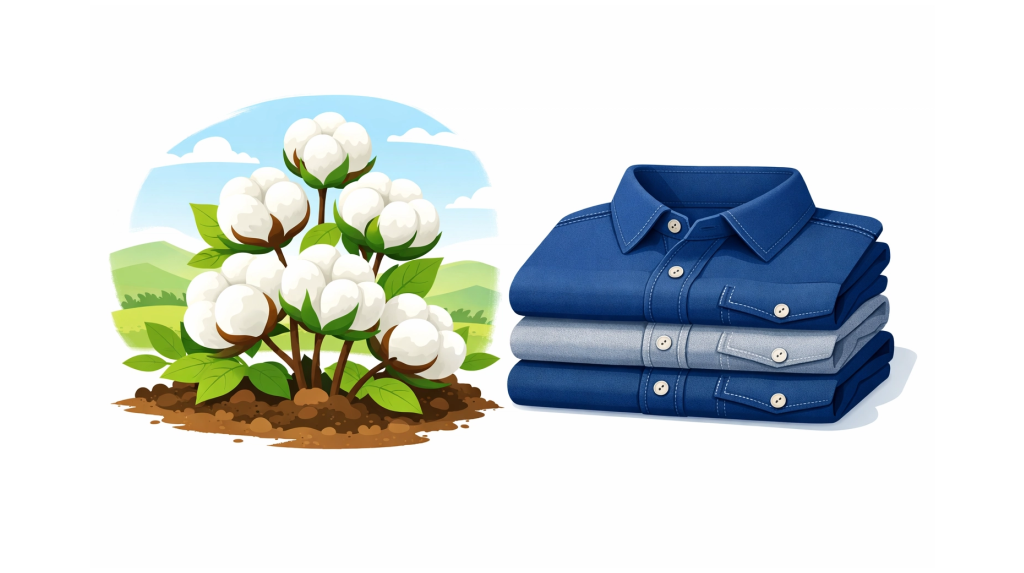
Recycled polyester offers another sustainable path, particularly for workwear that needs moisture-wicking or stretch properties. Made from repurposed plastic bottles, recycled poly keeps waste out of landfills while delivering the performance construction crews, hospitality teams, and trade workers need. The environmental math is simple: one recycled polyester work shirt means fewer plastic bottles in our oceans.
The sustainability secret here? Choose garments built to last, not disposable fast fashion. When your team's uniforms survive countless washes, job sites, and wear cycles, you're automatically reducing consumption , which is always the most sustainable choice.
Modern Printing Technology Makes a Massive Difference
Walk into a traditional screen printing operation from a decade ago, and you'd likely smell it before you saw it , solvent-based inks, harsh chemicals, and plastic-heavy processes. Fast forward to 2026, and the technology landscape has shifted dramatically.
DTF (Direct-to-Film) printing represents one of the biggest sustainability leaps in custom apparel. Unlike older methods that require extensive setup, film waste, and chemical processing, DTF printing is remarkably efficient. There's minimal waste, no screen production for every single design, and the process uses significantly less water than traditional methods.
More importantly, modern DTF and Direct-to-Garment printing technologies use water-based, non-toxic inks that are certified by international standards like OEKO-TEX®. These inks don't contain the harmful plasticizers and chemicals found in traditional plastisol inks. The result? Prints that are softer to touch, safer for skin contact, and dramatically better for the environment.
The efficiency angle matters too. Older printing methods often required minimum order quantities that encouraged overproduction , print 500 shirts when you only need 200, just to hit the minimums. Modern on-demand printing capabilities mean businesses can order exactly what they need, when they need it. No excess inventory sitting in warehouses. No outdated designs heading to landfill when the team logo changes.
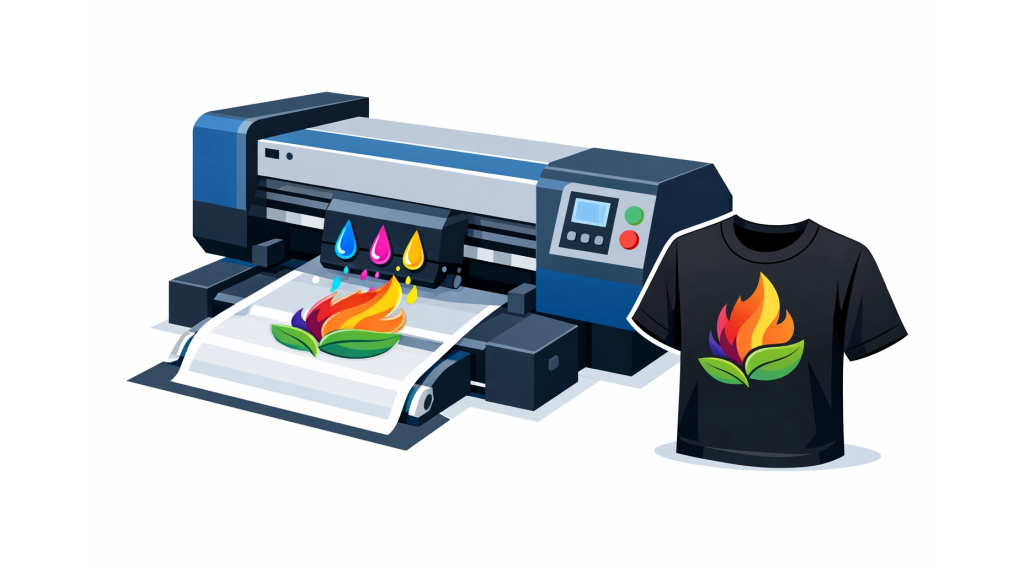
For businesses ordering sustainable workwear, this technology shift translates to practical benefits: sharper designs that don't crack or fade quickly, comfortable garments your team will actually want to wear, and the knowledge that the printing process itself isn't pumping chemicals into the local water system.
Local Australian Production Cuts the Carbon Footprint
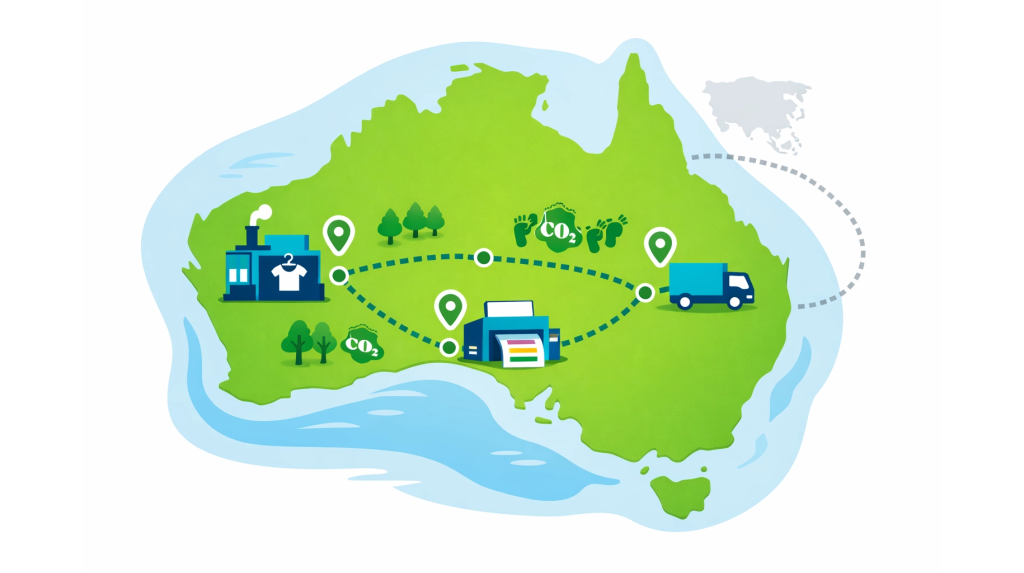
Here's a sustainability factor that often flies under the radar , where your custom apparel is actually produced. When Australian businesses order from local printers who source from Australian and New Zealand suppliers, the environmental impact drops significantly compared to overseas production.
Reduced shipping distances mean fewer carbon emissions from freight. A garment manufactured in Bangladesh, shipped to a Chinese printer, then freight-forwarded to Melbourne has racked up massive transport emissions before anyone even wears it. Compare that to locally-sourced blanks printed in Australia and delivered via domestic courier , the carbon math isn't even close.
But local production delivers sustainability benefits beyond transport emissions. Australian manufacturing operates under stricter environmental regulations than many overseas operations. Water usage standards, chemical disposal requirements, and emissions controls are enforced here in ways they simply aren't in many cheaper manufacturing regions.
Ethical labor practices are part of the sustainability equation too. When Australian custom apparel companies partner with suppliers holding certifications like WRAP (Worldwide Responsible Accredited Production) and Fair Labor Association credentials, it guarantees fair wages, safe working conditions, and zero tolerance for child or forced labor.
Supporting local Australian printing businesses means supporting operations that comply with our environmental standards and contribute to our local economy. It's sustainability with a human face , and a significantly smaller carbon bootprint.
Quality Over Fast Fashion: The Real Sustainability Win
The fashion industry's dirty secret is that fast fashion has trained consumers to treat clothing as disposable. Buy cheap, wear briefly, toss it, repeat. It's an environmental disaster , and it's the exact opposite of what sustainable durable custom apparel should represent.
For businesses ordering custom workwear and team uniforms, rejecting the fast fashion mentality delivers both sustainability and cost benefits. Here's the reality: a premium-quality work shirt that costs $35 and lasts three years is far more sustainable , and economical , than a $15 shirt that falls apart after six months of regular wear.
Quality garments feature:
- Reinforced stitching that survives job site wear
- Colorfast fabrics that don't fade after a dozen washes
- Proper fabric weights that maintain shape and structure
- Print applications that bond permanently to fabric instead of cracking or peeling
This durability-first approach means fewer replacement orders, less textile waste, and lower total cost of ownership. Your team gets workwear they're proud to wear. The planet gets fewer garments in landfill. Your budget gets relief from constant reordering. Everyone wins.
The shift from disposable to durable represents perhaps the single biggest sustainability improvement any business can make when ordering custom apparel. It's not the flashiest eco-initiative, but it's the most impactful.
What to Look for When Choosing an Eco-Friendly Printer
Not all Australian custom printing companies approach sustainability with the same commitment. When you're ready to order eco-friendly t shirt printing for your business, here's what separates genuine sustainability from greenwashing:
Transparent supply chain information , Reputable printers can tell you exactly where their blank garments come from and what certifications those suppliers hold. If a company can't or won't share this information, that's a red flag.
Water-based ink systems , Ask specifically about ink types. Water-based, OEKO-TEX® certified inks should be standard, not an optional upgrade.
Waste reduction practices , Look for printers who use on-demand production models, minimized packaging, and responsible disposal of any chemical byproducts.
Local partnerships , Companies working with Australian garment suppliers like AS Colour demonstrate commitment to both quality and reduced environmental impact through shorter supply chains.
Durability guarantees , Printers confident in their print quality and garment selection will stand behind their work. This confidence usually indicates they're using quality materials and proper application techniques.
The good news? In 2026, genuinely sustainable custom apparel printing has become increasingly accessible for Australian businesses of all sizes. The technology exists, the materials are available, and consumer demand has pushed even mid-market printers to adopt better practices.
The Bottom Line on Sustainable Custom Apparel
True eco-friendly custom printing in Australia isn't about one single factor , it's the intersection of sustainable materials, efficient printing technology, local production, and a commitment to quality over quantity. For businesses ordering team uniforms, promotional gear, or workwear, these sustainability factors deliver tangible benefits beyond just environmental conscience.
Your team gets comfortable, durable apparel they'll actually wear. Your brand projects values that increasingly matter to customers and employees. Your budget benefits from fewer replacement orders. And yes, you're genuinely reducing your environmental impact.
The sustainability secrets aren't really secrets at all : they're the result of thoughtful choices throughout the entire production process. As Australian businesses become more selective about their custom apparel partners, these factors will continue separating the genuine eco-friendly operations from the companies just paying lip service to sustainability.
When you're ready to order custom printed workwear that aligns with your environmental values without compromising on quality, start designing your sustainable team apparel today. Because in 2026, sustainable and high-performing aren't opposites ( they're the same thing done right.)
